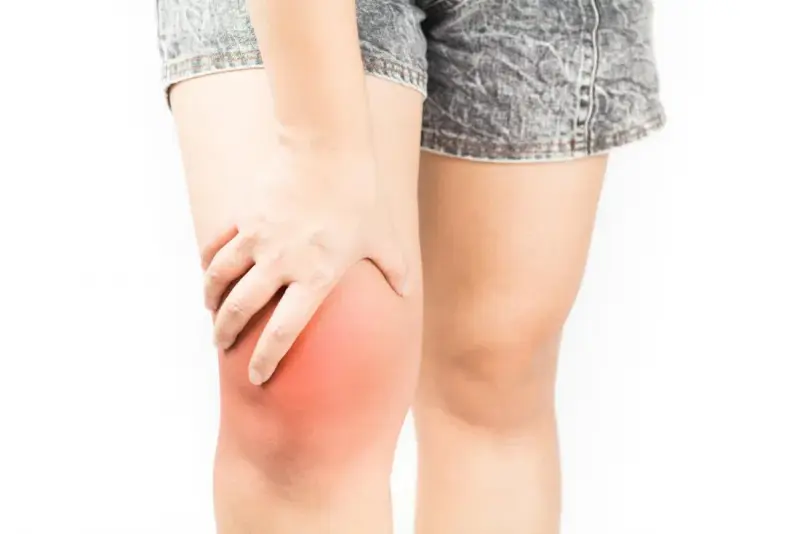
Knee pain is one of the most common health complaints today, affecting athletes, working professionals and seniors alike. While many cases can be treated with medication, physiotherapy or lifestyle changes, some situations require knee surgery. But how do you know when it is serious? These are the seven warning signs you should not ignore.
1. Persistent pain that doesn’t go away
If your knee pain lasts for weeks or months despite rest, medication or physiotherapy, it may indicate a deeper issue such as cartilage damage or arthritis. Red flag: pain even while resting or sleeping.
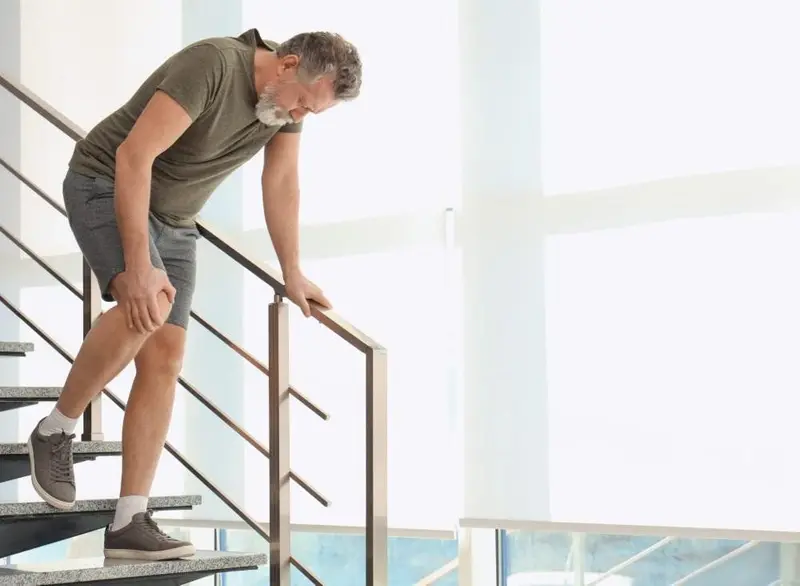
2. Difficulty walking or climbing stairs
Struggling with basic movements like walking, standing or climbing stairs is a strong indicator that your knee joint may be severely damaged. If daily life is affected, it is time to consult a specialist.
3. Knee stiffness and reduced mobility
If your knee feels stiff, especially in the morning or after sitting, and you cannot fully bend or straighten it, this could signal joint degeneration.
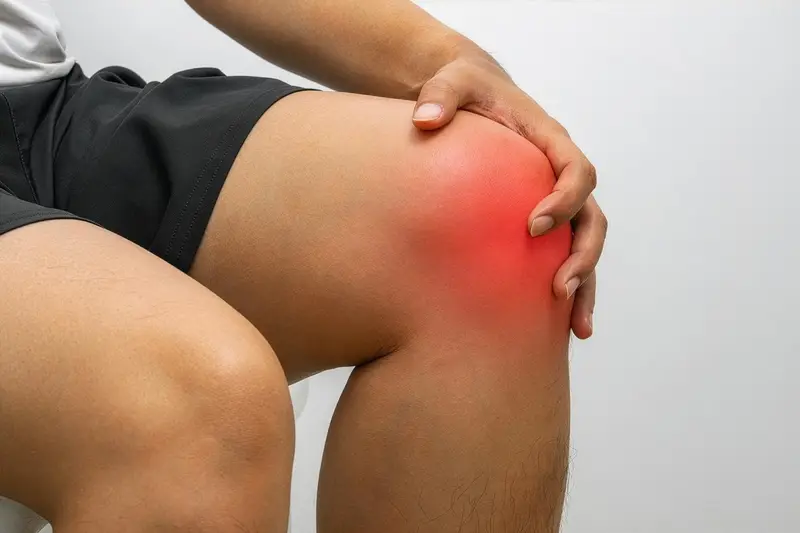
4. Swelling that keeps coming back
Occasional swelling after activity is normal, but frequent or persistent swelling may indicate internal damage such as ligament tears or fluid build-up.
5. Knee instability or “giving way”
Does your knee feel like it might buckle? This could be due to ligament injuries such as an ACL tear, which often needs surgical treatment.
6. No improvement with non-surgical treatment
If you have tried physiotherapy, medications and injections and still see no improvement, surgery may be the next step.
7. Visible deformity or severe joint damage
A visibly misshapen knee, or severe arthritis seen on scans, is often a clear indication for procedures like knee replacement surgery.
When should you see an orthopaedic specialist?
If you notice any combination of these symptoms, don’t delay a consultation. Early diagnosis can help avoid complications and may even prevent the need for surgery.
Not all knee pain needs surgery, but ignoring serious warning signs can make your condition worse. Listen to your body and act early: if knee pain is affecting your daily life, it is time to seek expert advice.