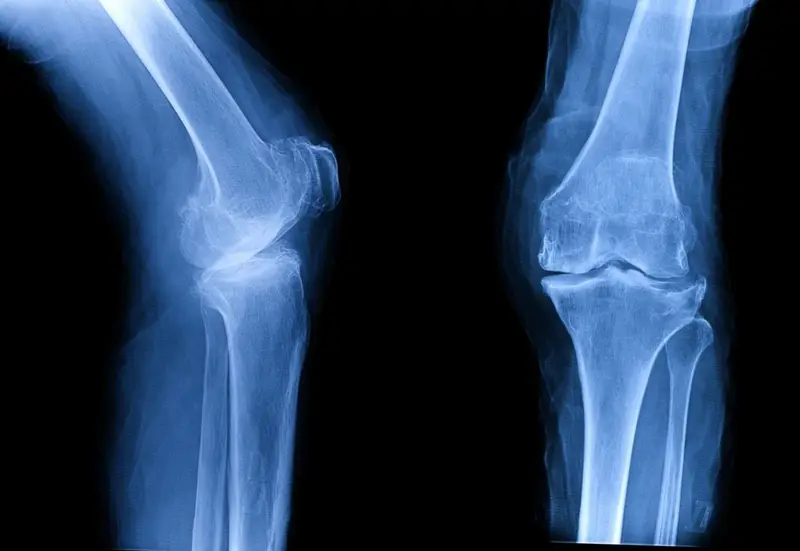
These FAQs answer the questions we hear most often about knee procedures, recovery, risks and benefits, so you can make an informed decision and feel confident before treatment.
When do I actually need knee surgery?
- Severe knee pain affects daily activities such as walking or climbing stairs
- Non-surgical treatments (medication, physiotherapy) have not worked
- Conditions like arthritis, ligament tears or meniscus damage are getting worse
What are the different types of knee surgery?
- Total knee replacement (TKR): replacing the entire joint
- Partial knee replacement: replacing only the damaged part
- Arthroscopy: minimally invasive, small cuts, faster recovery
- ACL reconstruction: ligament repair for sports injuries
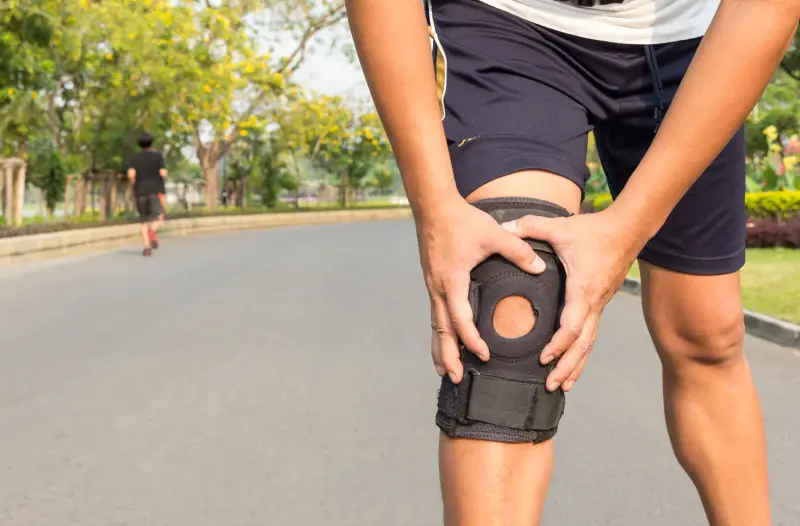
Is knee surgery painful?
Surgery is done under anaesthesia, so you will not feel pain during the procedure. Post-surgery pain is managed with medication, and most patients report significant relief after recovery.
How long does recovery take?
- Initial recovery: 4–6 weeks
- Full recovery: 3–6 months
- Physiotherapy plays a crucial role in faster healing
How long will the implant last?
Modern knee implants last 15–25 years, depending on lifestyle, weight and activity level.
What are the risks?
Risks include infection (rare), blood clots and implant wear or loosening over time. Choosing an experienced surgeon reduces these risks significantly.
Can I walk normally after surgery?
Most patients walk within 1–2 days, resume normal activities in 4–8 weeks and go on to enjoy pain-free mobility.
What is the success rate of knee surgery?
Knee replacement surgery has a 90–95% success rate and is highly effective for long-term pain relief and improved mobility.
What should I do before surgery?
- Maintain a healthy weight
- Control diabetes and blood pressure
- Stop smoking
- Prepare your home for post-surgery mobility
Will I need physiotherapy after surgery?
Yes, it is essential. Physiotherapy improves strength and flexibility, speeds up recovery and prevents complications.
Can younger people have knee surgery?
Yes, if the injury is severe (sports injuries, ligament tears), although doctors may prefer non-surgical options first.